Chicago
Delivery, errands, and local help
for the windy city.
SaveNeighbor helps people in Chicago organize food delivery, errands, pickups, restaurant orders, and local help through trusted personal networks—not random marketplace assignment.
Chicago is big, but people live neighborhood by neighborhood. Help should still feel local.
So many routine tasks. So many connections. Too much convenience handed to platforms.
In Chicago, the same buildings, restaurants, campuses, train stops, and blocks repeat in people's lives. A quick pickup can mean waiting on an elevator, finding street parking, or timing a handoff around weather and traffic—and small errands add up fast across apartment buildings and neighborhood sprawl.
Delivery apps are convenient, but convenience often means fees, commissions, and strangers assigned to you by a platform. Chicago is a big city with a neighborhood mentality—people still rely on familiarity to get things done. Familiar routes, familiar buildings, and familiar restaurants.
SaveNeighbor helps turn that familiarity into coordination—not another anonymous marketplace queue.
Neighborhoods
Big city on the map. Neighborhood life on the ground.
Chicago neighborhood help looks different block to block—from the Loop and River North to Lincoln Park, Wicker Park, Pilsen, Hyde Park, and Rogers Park. The most trusted local help requires routine coordination, not random citywide dispatch.
The Loop & River North
Office towers, hotel lobbies, and the rhythm of downtown blocks. Loop and River North delivery means elevators, loading zones, and buildings that repeat in people's weekly routines—the same helper may already know your lobby if you know who to ask.
West Loop & Fulton Market
Restaurant rows, converted warehouses, and pickup windows that do not wait for traffic. West Loop runs reward familiar faces and repeat routes—not another random driver pulled from a citywide dispatch queue.
Lincoln Park & Lakeview
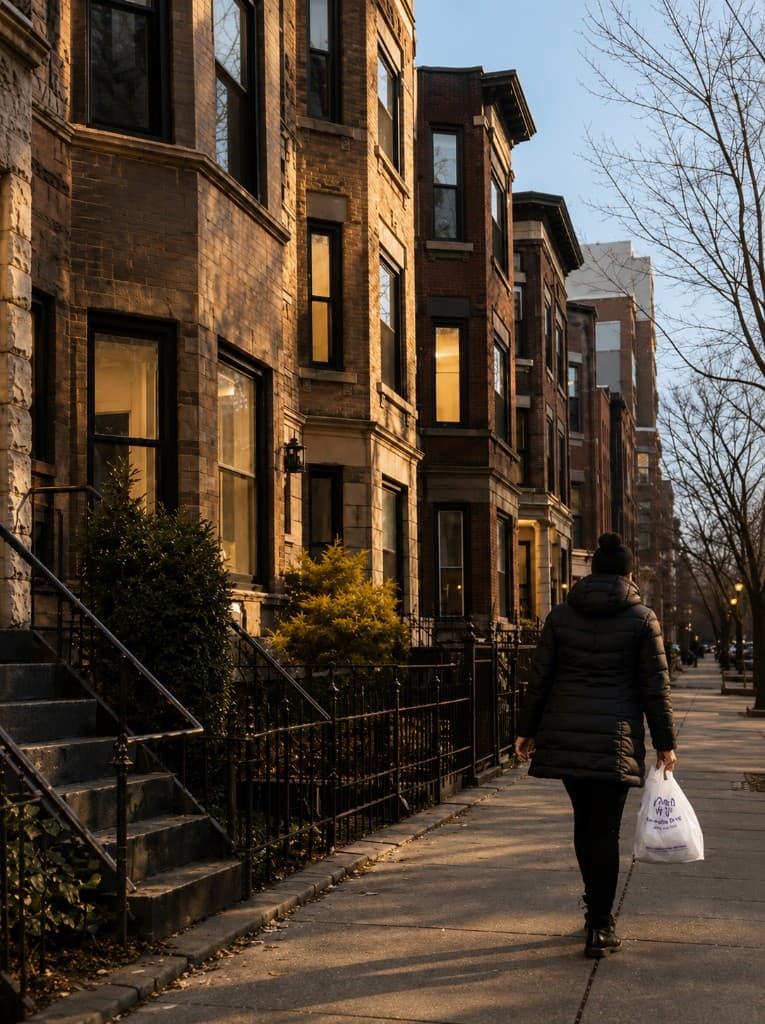
Dense residential blocks, brownstones, and apartment buildings stacked along familiar corridors. Lincoln Park and Lakeview errands feel personal when the helper already knows where to park and which entrance to use.
Wicker Park & Logan Square
Independent restaurants, late-night food, and neighborhood blocks with strong local identity. Wicker Park and Logan Square are built for favorites people return to—not anonymous marketplace assignment.
Pilsen & Near South Side
Residential streets with deep local rhythm and restaurants that anchor whole blocks. Pilsen and nearby South Side neighborhoods remind you that Chicago trust is block-by-block—even in a big city.
Hyde Park & South Loop
Campus-adjacent buildings, museum district traffic patterns, and routes that compound over time. Hyde Park and South Loop reward repeat relationships—same restaurants, same lobbies, same parking tricks.
Uptown, Rogers Park & the North Side
Long lakefront blocks, train-adjacent streets, and helpers who know which buildings take forever to buzz someone in. North Side neighborhood delivery Chicago is not one uniform grid—it's routes you have to know to know.
Bronzeville & West Side neighborhoods
Connected by everyday patterns—family restaurants, campuses nearby, and couriers who know local rhythms. Bronzeville and West Side blocks show how neighborhood help Chicago works when familiarity comes first.
Restaurants
Chicago restaurants reward direct relationships.
Chicago has deep restaurant culture—independent spots, neighborhood favorites, takeout windows, and direct-ordering opportunities on familiar blocks. The delivery app fees Chicago residents pay reflect platform commissions, markups, and dispatch overhead that have nothing to do with the food itself.
Restaurants can build driver and helper networks around pickup and direct orders—regular customers, familiar couriers, and repeat routes instead of renting every order from a platform. Learn about restaurant networks.
SaveNeighbor is a coordination tool—not a delivery company. It does not employ drivers, dispatch couriers, or guarantee order volume.
Drivers and couriers
Chicago couriers know buildings, weather, parking, and neighborhood rhythms.
Delivery in Chicago depends on knowing apartment lobbies, restaurant pickup windows, bike routes, train-adjacent neighborhoods, and the difference between a short walk and a long wait in winter weather. Apps make drivers interchangeable—and good service disappears into a rating, not a relationship.
SaveNeighbor helps couriers and drivers connect directly, so customers and restaurants can request them again and again. Build repeat relationships across residences, offices, campuses, and groups of restaurants—reduce your need to wait on an app algorithm. See the driver network page.
Errands and local help
Local errands Chicago—handled by someone you trust.
Help with repeated tasks work best when you choose who to ask—not a random profile from a gig-service app. Errands across apartment buildings, campuses, and neighborhoods add up fast in a hustling city. Explore errands and local help.
- Package pickup and drop-off
- Grocery runs
- Pharmacy pickup
- Restaurant pickup
- Laundry and dry cleaning
- Disability assistance
- Dog walking
- Moving help
- Furniture assembly
- Home access for repairs
- Rides from people you trust
- Checking in on someone nearby
You choose who to trust—and what is appropriate.
SaveNeighbor does not vet, certify, license, insure, train, supervise, employ, or guarantee helpers. Users choose who they trust and remain responsible for using judgment.
Campuses and students
Campus delivery runs on classmates, staff, and trusted helpers.
Chicago-area campuses—the University of Chicago, DePaul, Loyola Chicago, UIC, Northwestern nearby, Columbia College Chicago, community colleges, and others—create strong use cases for campus-area pickup, food delivery, errands, and dorm or lobby handoffs.
Students without a car, busy schedules, and familiar classmates nearby are a natural fit for trusted-network coordination. Late-night food runs, package pickup between classes, and local side hustle opportunities all start with people you already know. SaveNeighbor does not partner with universities—it is a tool students and campus neighbors can use on their own terms. See campus delivery.
How SaveNeighbor works in Chicago
Build a network.
Not a queue.
A practical path for neighborhood delivery, errands, and trusted local help—without SaveNeighbor acting as a dispatch layer or payment processor.
Create your account
Set up a SaveNeighbor profile so neighbors, classmates, couriers, and local helpers know who you are and how to reach you.
Build your trusted network
Add people you know or choose to trust—neighbors, friends, family, familiar couriers, restaurant helpers, and classmates.
Create a request
Food delivery, restaurant pickup, errands, package runs, or local help—describe what you need and when.
Choose who to ask
Send the request to people in your network. SaveNeighbor does not assign a random driver or helper from a marketplace pool.
Helper accepts if available
They decide whether the request fits their schedule and comfort level. You stay in control of who you ask; they stay in control of what they accept.
Customer pays merchant directly
Order for restaurant or store pickup, pre-pay with the business directly through their site or over the phone. SaveNeighbor does not process customer payments.
Tips and compensation stay between people
Cash or e-payments like Zelle or CashApp go person to person—not through SaveNeighbor.
Trust compounds over time
Repeat requests get easier when familiar faces handle familiar buildings, routes, and neighborhoods across Chicago.
Questions
- Is SaveNeighbor a delivery app?
- No. SaveNeighbor is not a food delivery app, gig marketplace, or dispatch platform. It helps people in Chicago coordinate deliveries, errands, pickups, and local help through personal networks—not random marketplace assignment.
- Can I use it across Chicago neighborhoods?
- Yes. SaveNeighbor works wherever you build trusted connections—the Loop, the West Side, the North Side, Hyde Park, Pilsen, Bronzeville, and everywhere in between. How well it works depends on the helpers and couriers you know, not a centralized driver pool.
- Can restaurants use SaveNeighbor?
- Restaurants can use SaveNeighbor as a tool to build helper networks around direct ordering and trusted pickup—not as a replacement for every delivery channel. SaveNeighbor does not employ drivers, dispatch couriers, or guarantee volume.
- Can delivery drivers use SaveNeighbor?
- Yes. Couriers and drivers can build repeat relationships and give regular customers a direct line—alongside or outside app assignment when they want more control. SaveNeighbor does not employ drivers or guarantee earnings.
- Can students use SaveNeighbor?
- Yes. Campus-area pickup, dorm and lobby handoffs, late-night food runs, and errands between classes are common use cases—especially when students already know who is reliable nearby. SaveNeighbor does not partner with universities.
- Can I use it for errands?
- Yes. Package pickup, grocery runs, pharmacy pickup, and other local errand help work through the same trusted-network model. You choose who to ask. SaveNeighbor does not assign random helpers.
- Does SaveNeighbor process payments?
- No. SaveNeighbor does not currently process customer payments or helper earnings. People agree on details directly. Tips and compensation stay between the requester and helper.
- Does SaveNeighbor employ or dispatch drivers?
- No. SaveNeighbor does not employ couriers or helpers, assign shifts, dispatch workers, or guarantee work. Helpers and drivers accept requests on their own terms inside networks they choose to join.
- Does SaveNeighbor guarantee availability or safety?
- No. SaveNeighbor does not vet, certify, license, insure, train, or supervise helpers. It does not guarantee availability, safety, earnings, or legal compliance. Users choose who they trust and remain responsible for using judgment.
- Is this only for food delivery?
- No. SaveNeighbor supports food delivery and restaurant pickup, but the same trust model applies to errands, package runs, local help, and everyday tasks across Chicago.
Chicago doesn't need another
anonymous marketplace.
It needs better ways for people who already cross paths to help each other.
The city already runs on neighborhood connections.
SaveNeighbor helps those connections do more.
Already signed up? Sign in