New York City
Delivery, errands, and local help for
the city that never sleeps.
SaveNeighbor helps New Yorkers organize food delivery, errands, pickups, restaurant orders, and local help through trusted personal networks—not random marketplace assignment.
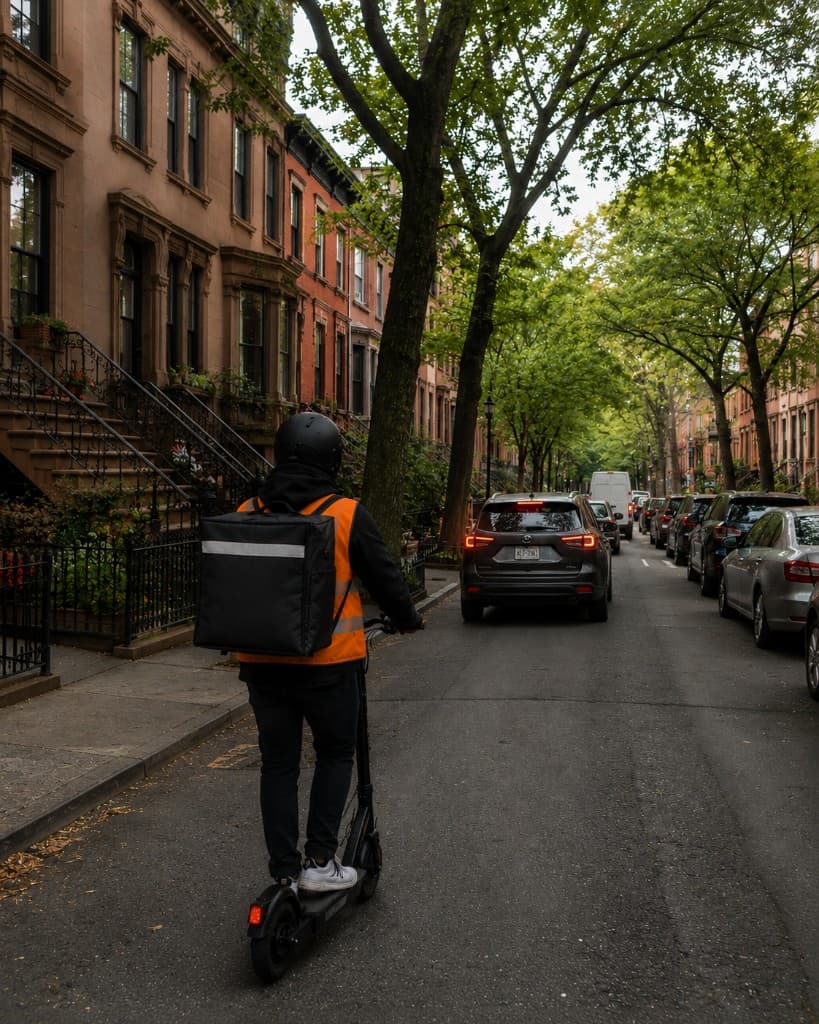
New York City runs on faceless service providers. Efficiency doesn't have to be impersonal.
Too busy. Too many small tasks. Too much platform dependence.
New Yorkers are time-constrained. Errands pile up—and sometimes cooking dinner is out of the question. Delivery apps are convenient, but what if you could free your time by getting help with all the other tasks?
In a city this dense, the person who helps you might live, work, ride, study, or deliver on the same blocks every day. Doormen, supers, regular couriers, familiar restaurants, neighbors, classmates, and local helpers—informal trust is already everywhere.
SaveNeighbor helps turn that existing trust into usable infrastructure—not another anonymous marketplace queue.
Five boroughs
Different neighborhoods. Same pattern: trust beats random assignment.
Five boroughs delivery looks different block to block—but Manhattan delivery, Brooklyn delivery, Queens delivery, Bronx delivery, and Staten Island delivery all share dense routes, constant movement, and people who already cross paths.
Manhattan
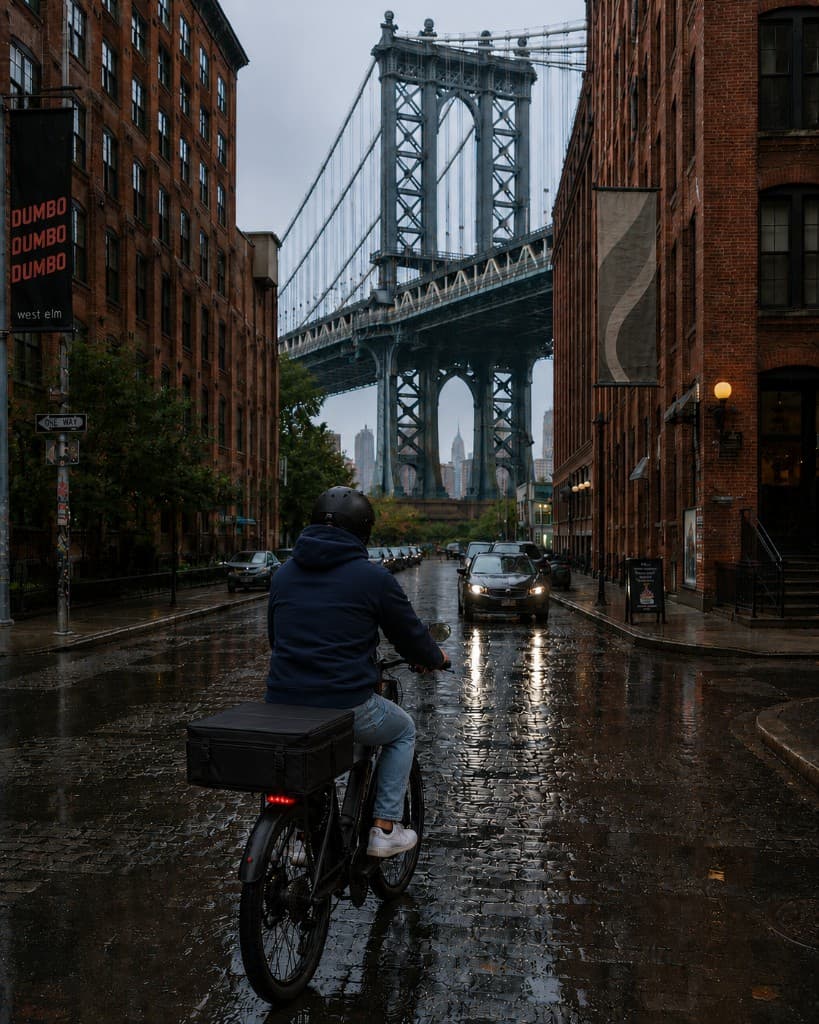
Office towers, brownstones, campuses, and restaurants stacked block after block. The same courier may pass your building every day—SaveNeighbor helps you request them directly instead of hoping a platform assigns someone random.
Brooklyn
Neighborhood delivery NYC runs on familiar routes: brownstones, lobbies, corner spots, and regulars who know the block. Brooklyn delivery works best when trust compounds—not when every order resets to a stranger.
Queens
Queens delivery spans residential blocks, family restaurants, and long subway rides. Dense, diverse neighborhoods where classmates, neighbors, and local helpers already overlap.
The Bronx
Bronx delivery and local help often mean the same few blocks, the same building staff, the same familiar faces. Practical errands and food runs are easier when someone nearby already knows the route.
Staten Island
Staten Island delivery has its own rhythm—fewer blocks, longer distances, and strong local familiarity. Trusted helpers and repeat relationships matter when convenience apps treat the borough like an afterthought.
Restaurants
NYC restaurant density makes direct relationships worth building.
New York has extraordinary restaurant density—and delivery app fees that NYC residents pay reflect platform commissions, markups, and dispatch overhead. SaveNeighbor can reduce dependence on third party apps when customers order for pickup directly with the restaurant.
Restaurants can build driver networks to make delivery available for their direct orders. Owning the customer connection instead of renting it from a platform. Learn about restaurant networks.
SaveNeighbor is a coordination tool—not a delivery company. It does not employ drivers, dispatch couriers, or guarantee order volume.
Drivers and couriers
NYC has a visible delivery workforce—and routes that compound.
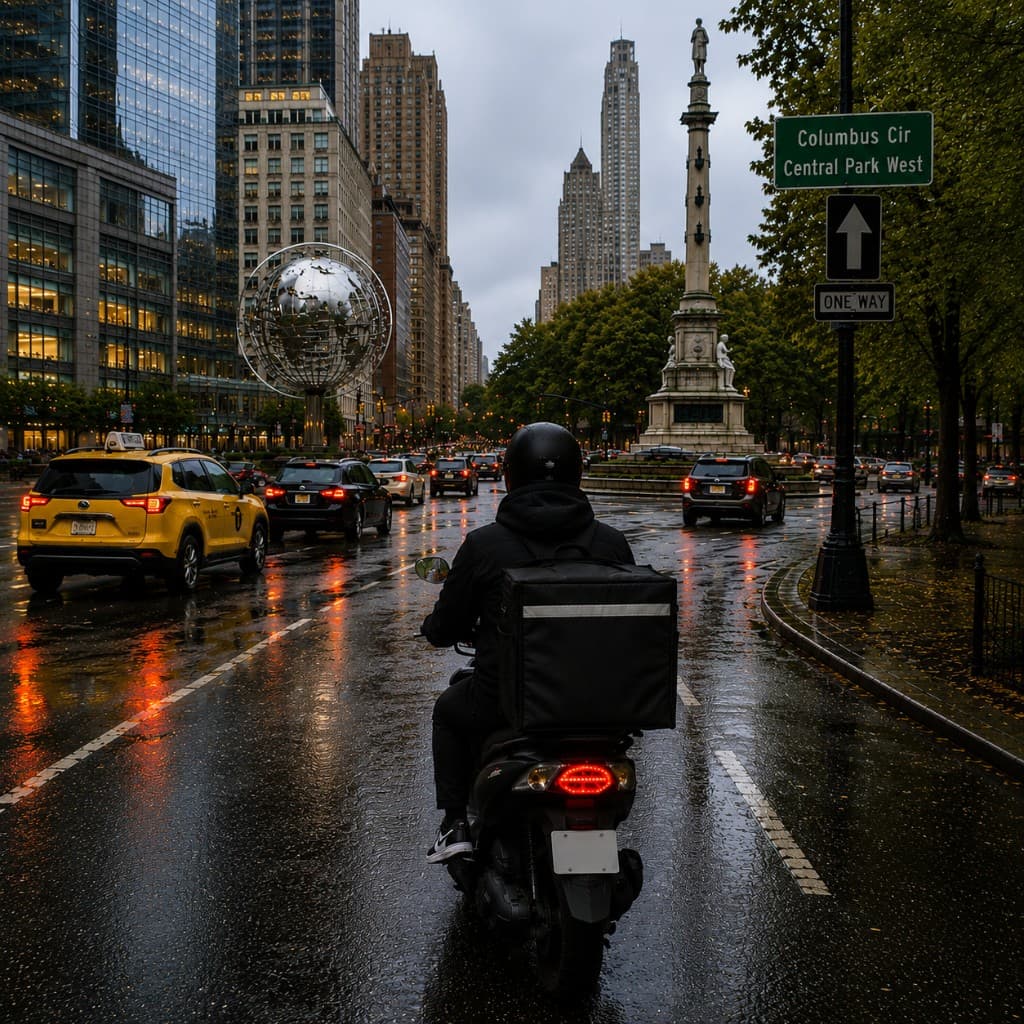
Everyday NYC delivery drivers are dispatched to restaurants, office buildings, lobbies and residences completely at random. Apps make drivers interchangeable and good service disappears into a rating—not a relationship.
With SaveNeighbor, a driver can repeat deliveries for the same restaurant or group of nearby restaurants. Repeat deliveries for the same residents or group of nearby residences. They can build a consistent schedule with regular customers. See the driver network page.
Errands and local help
Local errands NYC—handled by someone you trust.
Trusted local help NYC works best when you choose who to ask—not a random profile from a gig-service app. Explore errands and local help.
- Post office drop-offs
- Same day packages
- Grocery runs
- Pharmacy pickup
- Laundry and dry cleaning
- Rides from people you trust
- Pet care
- Moving help
- Snow shoveling
- Disability assistance
- Home access for repairs
You choose who to trust—and what is appropriate.
SaveNeighbor does not vet, certify, license, insure, train, supervise, employ, or guarantee helpers. Users choose who they trust and remain responsible for using judgment.
Universities and students
Campus delivery runs on classmates, staff, and trusted helpers.
New York's university neighborhoods—areas around NYU, Columbia, Fordham, CUNY campuses, Brooklyn colleges, and more—create strong use cases for campus-area pickup, food delivery, errands, and dorm or lobby handoffs.
Students without a car, busy schedules, and familiar classmates nearby are a natural fit for trusted-network coordination. SaveNeighbor does not partner with universities—it is a tool students and neighbors can use on their own terms. See campus delivery.
Platform pressure is part of public life in New York.
In NYC, delivery platforms are not just private convenience tools. They are part of public debate around worker pay, restaurant economics, fees, and platform power. Delivery platform legislation has made app-based delivery a visible policy issue—not a neutral background service.
SaveNeighbor is not positioned as a legal workaround. It is a different model: relationship-based coordination through personal networks. Why delivery fees add up.
How SaveNeighbor works in NYC
Build a network.
Not a queue.
A practical path for neighborhood delivery, errands, and trusted local help—without SaveNeighbor acting as a dispatch layer or payment processor.
Create your account
Set up a SaveNeighbor profile so neighbors, classmates, couriers, and local helpers know who you are and how to reach you.
Build your trusted network
Add people you know or choose to trust—neighbors, friends, family, familiar couriers, restaurant helpers, and classmates.
Create a request
Food delivery, restaurant pickup, errands, package runs, or local help—describe what you need and when.
Choose who to ask
Send the request to people in your network. SaveNeighbor does not assign a random driver or helper from a marketplace pool.
Helper accepts if available
They decide whether the request fits their schedule and comfort level. You stay in control of who you ask; they stay in control of what they accept.
Customer pays merchant directly where relevant
For restaurant or store pickup, order and pre-pay with the business directly when that applies. SaveNeighbor does not process customer payments.
Tips and compensation stay between people
Cash or e-payments like Zelle or CashApp go person to person—not through SaveNeighbor.
Trust compounds over time
Repeat requests get easier when familiar faces handle familiar buildings, lobbies, and routes across the city.
Questions
- Is SaveNeighbor available in New York?
- SaveNeighbor is a coordination tool people can use in New York City to organize trusted local requests. It is not a delivery company, gig marketplace, or dispatch service. Availability depends on the network you build—not a centralized driver pool.
- Is SaveNeighbor a delivery app?
- No. SaveNeighbor is not a food delivery app, gig marketplace, or dispatch platform. It helps New Yorkers coordinate deliveries, errands, pickups, and local help through personal networks—not random marketplace assignment.
- Can I use it in all five boroughs?
- Yes. SaveNeighbor is built for dense neighborhood use—Manhattan, Brooklyn, Queens, the Bronx, and Staten Island. How well it works depends on the trusted helpers, couriers, and neighbors you connect with in your area.
- Can restaurants use SaveNeighbor?
- Restaurants can use SaveNeighbor as a tool to build helper networks around direct ordering and trusted pickup—not as a replacement for every delivery channel. SaveNeighbor does not employ drivers, dispatch couriers, or guarantee volume.
- Can delivery drivers use SaveNeighbor?
- Yes. Couriers and riders can build repeat relationships and give regular customers a direct line—alongside or outside app assignment when they want more control. SaveNeighbor does not employ drivers or guarantee earnings.
- Can students use SaveNeighbor?
- Yes. Campus-area pickup, dorm and lobby handoffs, late-night food runs, and errands between classes are common use cases—especially when students already know who is reliable nearby. SaveNeighbor does not partner with universities.
- Can I use it for errands?
- Yes. Package pickup, grocery runs, pharmacy pickup, post office drop-offs, and other local errand help work through the same trusted-network model. You choose who to ask. SaveNeighbor does not assign random helpers.
- Does SaveNeighbor process payments?
- No. SaveNeighbor does not currently process customer payments or helper earnings. People agree on details directly. Tips and compensation stay between the requester and helper.
- Does SaveNeighbor employ or dispatch drivers?
- No. SaveNeighbor does not employ couriers or helpers, assign shifts, dispatch workers, or guarantee work. Helpers and drivers accept requests on their own terms inside networks they choose to join.
- Does SaveNeighbor guarantee availability or safety?
- No. SaveNeighbor does not vet, certify, license, insure, train, or supervise helpers. It does not guarantee availability, safety, earnings, or legal compliance. Users choose who they trust and remain responsible for using judgment.
- Is this only for food delivery?
- No. SaveNeighbor supports food delivery and restaurant pickup, but the same trust model applies to errands, package runs, local help, and everyday tasks across New York City.
New York doesn't need another
anonymous marketplace.
It needs better ways for people who already cross paths to help each other.
The city is already connected. SaveNeighbor helps those
connections do more.
Already signed up? Sign in